Compare · Moisturizers
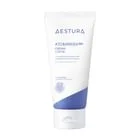
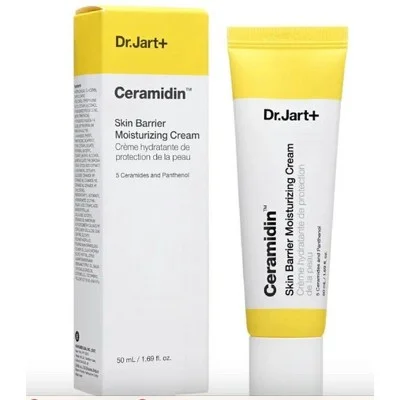
AESTURA ATOBARRIER365 Cream vs Ceramidin Skin Barrier Moisturizing Cream: which is better?
Two barrier creams, but one skews more repair-focused while the other gets praised for richer support with a more reactive-skin caveat.
The quick answer
Depends what you need
- Rated about the same — 91 vs 93 nextscore
- Better for skin barrier & redness/irritation: AESTURA ATOBARRIER365 Cream
- More reviewed: AESTURA ATOBARRIER365 Cream — 741 vs 72 verdicts
AESTURA ATOBARRIER365 Cream suits people wanting stronger barrier repair and more sensitive-skin discussion; Dr. Jart+ Ceramidin Cream suits those wanting a richer, balmier feel.
Choose AESTURA ATOBARRIER365 Cream if
- you want stronger barrier repair support
- you have dry, sensitive, or tret-damaged skin
Choose Ceramidin Skin Barrier Moisturizing Cream if
- you want a richer, balmier cream
- you have very dry or eczema-prone skin
Dr. Jart+
Ceramidin Skin Barrier Moisturizing Cream
See alternatives$0.59/ml · 50 ml
At a glance
| AESTURA ATOBARRIER365 Cream | Ceramidin Skin Barrier Moisturizing Cream |
|---|---|
| $0.36/ml | $0.59/ml |
| 91 · 741 verdicts | 93 · 72 verdicts |
| Skin BarrierRedness/Irritation | — |
| Niacinamide, Ceramides both | Ceramides both |
What Reddit says
AESTURA ATOBARRIER365 Cream
What Reddit likes
- Ceramide-heavy barrier repair
- Soaks in better than most thick creams
- Big help for tret dryness and flaking
Watch out for
- Can clog pores or trigger closed comedones
- Niacinamide stings sensitive skin
- Heavy, shiny, and slow to dry down
Ceramidin Skin Barrier Moisturizing Cream
What Reddit likes
- Ceramides plus cholesterol for legit barrier support
- Rich, balmy texture that still layers under SPF
- HG for dry, eczema-prone, tret-damaged skin
Watch out for
- Expensive enough that people keep hunting dupes
- Thick and buttery feels too heavy for some
- Essential oils and fragrance can irritate reactive faces
Compare full ingredient lists · 7 in common
In both · 7
- Behenyl Alcohol
- Stearic Acid
- Palmitic Acid
- Cholesterol
- Ceramide NP
- Hydrogenated Lecithin
- Tocopherol
Only in AESTURA ATOBARRIER365 Cream · 35
- Water
- Butylene Glycol
- Glycerine
- Butylene Glycol Dicaprylate/Dicaprate
- Cetyl Ethylhexanoate
- Squalane
- Pentaerythrityl Tetraisostearate
- Dicaprylyl Carbonate
- Dimethicone
- Hydroxypropyl Bispalmitamide MEA
- Betaine
- Mannitol
- C14-22 Alcohols
- Hydroxypropyl Bislauramide MEA
- Arachidyl Alcohol
- Polyacrylate-13
- C12-20 Alkyl Glucoside
- Allantoin
- Arachidyl Glucoside
- Niacinamide
- Glyceryl Caprylate
- Ethylhexylglycerin
- Hydrogenated Polyisobutene
- Carbomer
- Tromethamine
- Dimethiconol
- Polyglyceryl-10 Laurate
- Ethylhexyl Palmitate
- Acrylates/Ammonium Methacrylate Copolymer
- Sorbitan Isostearate
- Silica
- Phytosphingosine
- Sphingolipids
- Arachidic Acid
- Oleic Acid
Only in Ceramidin Skin Barrier Moisturizing Cream · 36
- Water/Aqua/Eau
- Glycerin
- Caprylic/Capric Triglyceride
- Dipropylene Glycol
- Cetearyl Alcohol
- Hydrogenated Polydecene
- Methyl Trimethicone
- Hydrogenated Poly(C6-14 Olefin)
- Butyrospermum Parkii (Shea) Butter
- 1,2-Hexanediol
- Phenyl Trimethicone
- Dicaprylyl Ether
- Cetearyl Olivate
- Panthenol
- Glyceryl Stearate
- Sorbitan Olivate
- Theobroma Cacao (Cocoa) Seed Extract
- 2,3-Butanediol
- Cetearyl Glucoside
- Ceramide NG
- Ceramide NS
- Ceramide AS
- Ceramide AP
- Pentaerythrityl Distearate
- Microcrystalline Cellulose
- Glyceryl Stearate SE
- Ammonium Acryloyldimethyltaurate/VP Copolymer
- Cellulose Gum
- Dextrin
- Glyceryl Polymethacrylate
- Pelargonium Graveolens Flower Oil
- Olea Europaea (Olive) Fruit Oil
- Citrus Aurantium Bergamia (Bergamot) Fruit Oil
- Salvia Officinalis (Sage) Oil
- Citronellol
- Yellow 5 (CI 19140)