Compare · Moisturizers
AESTURA ATOBARRIER365 Cream vs La Roche-Posay Lipikar Balm AP+M: which is better?
Both are barrier-first moisturizers for dry, irritated skin, but one skews calmer and lighter while the other draws stronger praise for repair.
The quick answer
Depends what you need
- Rated higher: AESTURA ATOBARRIER365 Cream — 91 vs 85 nextscore
- Better for skin barrier & redness/irritation: AESTURA ATOBARRIER365 Cream
- Better for eczema: Lipikar Balm AP+M
AESTURA suits people wanting stronger barrier repair with less irritation, while Lipikar Balm AP+M fits dry, damaged skin that needs a rich balm.
Choose AESTURA ATOBARRIER365 Cream if
- you want barrier repair for tret dryness and flaking
- you have sensitive skin and avoid reactive stinging
Choose La Roche-Posay Lipikar Balm AP+M if
- you want a rich balm for dry, damaged skin
- you tolerate thick creams and niacinamide well
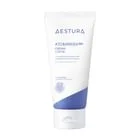
1,080mentions
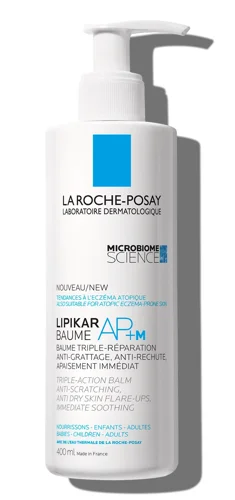
371mentions
At a glance
| AESTURA ATOBARRIER365 Cream | La Roche-Posay Lipikar Balm AP+M |
|---|---|
| $0.36/ml | $0.09/ml |
| 91 · 741 verdicts | 85 · 252 verdicts |
| Skin BarrierRedness/Irritation | Eczema |
| Niacinamide both, Ceramides | Niacinamide both |
What Reddit says
AESTURA ATOBARRIER365 Cream
What Reddit likes
- Ceramide-heavy barrier repair
- Soaks in better than most thick creams
- Big help for tret dryness and flaking
Watch out for
- Can clog pores or trigger closed comedones
- Niacinamide stings sensitive skin
- Heavy, shiny, and slow to dry down
La Roche-Posay Lipikar Balm AP+M
What Reddit likes
- Barrier-balm for dry, damaged skin
- Niacinamide plus ceramides
- Keeps tret skin from peeling
Watch out for
- Very thick and greasy on the face
- Can clog acne-prone or texture-prone skin
- Niacinamide can sting or flush reactive skin
Compare full ingredient lists · 6 in common
In both · 6
- Water
- Dimethicone
- Niacinamide
- Ceramide NP
- Dimethiconol
- Tocopherol
Only in AESTURA ATOBARRIER365 Cream · 36
- Butylene Glycol
- Glycerine
- Butylene Glycol Dicaprylate/Dicaprate
- Cetyl Ethylhexanoate
- Squalane
- Pentaerythrityl Tetraisostearate
- Dicaprylyl Carbonate
- Behenyl Alcohol
- Hydroxypropyl Bispalmitamide MEA
- Stearic Acid
- Betaine
- Mannitol
- C14-22 Alcohols
- Palmitic Acid
- Hydroxypropyl Bislauramide MEA
- Arachidyl Alcohol
- Cholesterol
- Polyacrylate-13
- C12-20 Alkyl Glucoside
- Allantoin
- Arachidyl Glucoside
- Glyceryl Caprylate
- Ethylhexylglycerin
- Hydrogenated Polyisobutene
- Carbomer
- Tromethamine
- Polyglyceryl-10 Laurate
- Hydrogenated Lecithin
- Ethylhexyl Palmitate
- Acrylates/Ammonium Methacrylate Copolymer
- Sorbitan Isostearate
- Silica
- Phytosphingosine
- Sphingolipids
- Arachidic Acid
- Oleic Acid
Only in La Roche-Posay Lipikar Balm AP+M · 23
- Butyrospermum Parkii Butter/Shea Butter
- Glycerin
- Cetearyl Alcohol
- Brassica Campestris Seed Oil/Rapeseed Seed Oil
- Glyceryl Stearate
- Ammonium Polyacryloyldimethyl Taurate
- PEG-100 Stearate
- Propanediol
- Ophiopogon Japonicus Root Extract
- Pisum Sativum Extract/Pea Extract
- Sorbitan Tristearate
- PEG-20 Methyl Glucose Sesquistearate
- Sodium Chloride
- Cyclodextrin
- Mannose
- Coco-Betaine
- Vitreoscilla Ferment
- Citric Acid
- Trisodium Ethylenediamine Disuccinate
- Maltodextrin
- Xanthan Gum
- Pentaerythrityl Tetra-Di-T-Butyl Hydroxyhydrocinnamate
- Sodium Benzoate